

When we talk about climate change, we often speak in the language of global targets, emissions caps, and policy frameworks. But a just transition is ultimately tested not by the ambition of climate commitments on paper, but by what happens to the communities living right at the frontline of environmental degradation.
Right now, in the Southeast Asia and Pacific regions, the warming ocean bears heavily on people’s lives and livelihoods. Last month, the World Risk Report 2026 ranked the Philippines as having the highest overall disaster risk in the world, driven heavily by storm exposure. Compounding this, the World Meteorological Organization warns that an intensifying El Niño is bringing severe threats of drought, extreme heat, and food insecurity.
In upland communities like Bendum in Mindanao, traditional weather patterns are shifting, two harvests have already been affected by dry periods, and the complexities of climate change are colliding with deep-rooted vulnerabilities. Across the country, Indigenous and local communities are also navigating resource conflicts, corporate extraction pressures, and weakened legal safeguards—such as the rushed timelines introduced in the Philippines under the 2026 revised Free, Prior, and Informed Consent guidelines.
Coupled with a national energy crisis and heavy reliance on fossil fuels, the challenge of holding powerful corporations and governments in Asia accountable can feel overwhelming. Yet, it is precisely from these frontlines that the most vital solutions emerge.
Today, we explore how human rights, law, and accountability must intersect—ensuring that community experience informs the science, the law, and the policy from the very beginning.
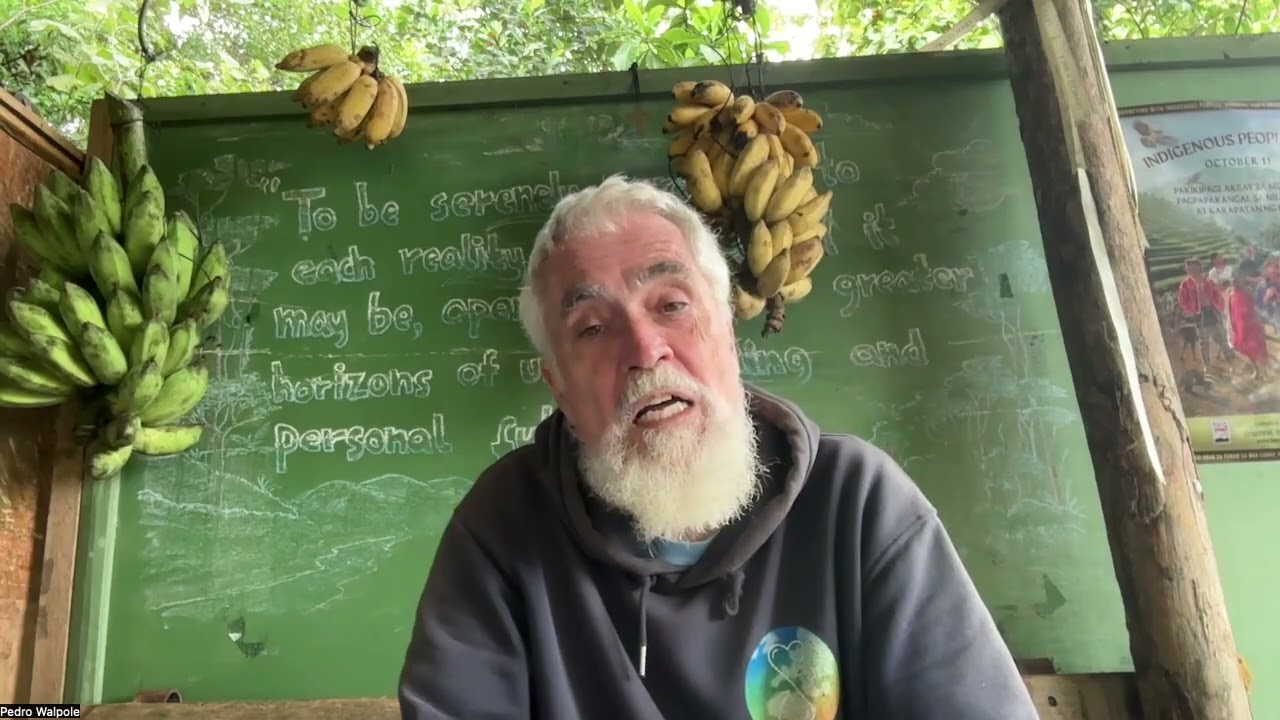
Talk given by Pedro Walpole on 15 October 2026 for the online international conference, Driving Climate Commitments toward a Just Transition: Human Rights, Law and Accountability in Action, organized by the Geneva Centre for Human Rights Advancement and Global Dialogue in partnership with the tUrn Climate Crisis Awareness & Action Project at Santa Clara University.